
Fence Property Lines and Setbacks in Carmel: Where You Can Build
Before you set a single post, you need to know where your line actually is, how close to it Carmel lets you build, and which easements and covenants get a say. Here is how fence placement really works on a Hamilton County lot.
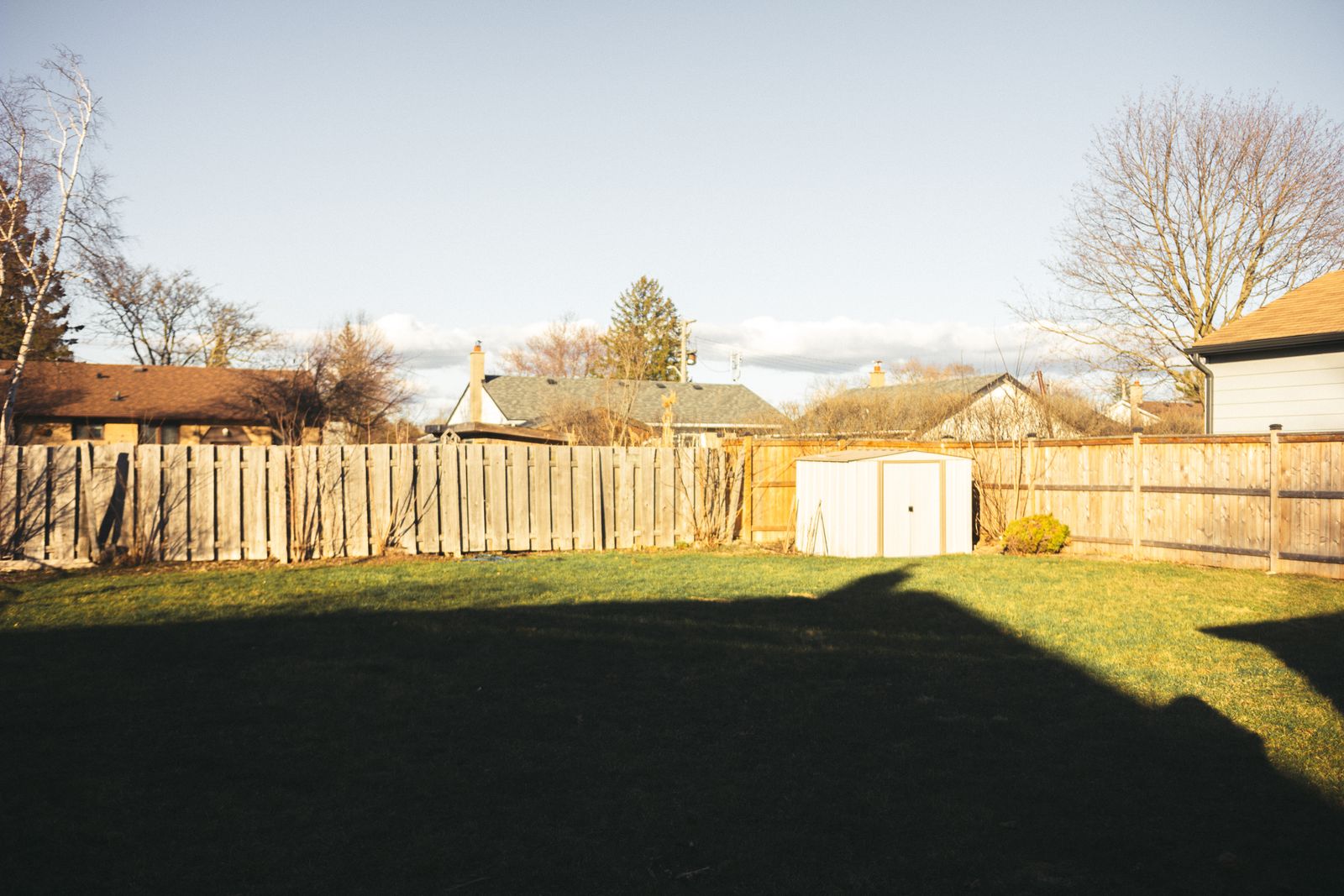
Fence property line and setback rules are the part of a fence project most Carmel homeowners think about last and regret first. You can pick the perfect cedar privacy run, and it still has to sit where the city, your recorded plat, and often your HOA allow it to sit. On a typical Hamilton County lot, the line you assume is yours and the line a surveyor would actually stake are frequently a foot or two apart, and building to the wrong one can mean tearing out finished work. This guide walks through where a fence can legally go in Carmel, from your property line to setbacks, easements, and the rules for a fence you share with a neighbor.
Key Takeaways
Your deed line is not the old fence, the tree row, or the edge you mow to; only a survey or your recorded plat locates it precisely.
Carmel regulates fence height and placement through its Unified Development Ordinance, with lower limits in front yards than in back.
Utility and drainage easements can cross a yard you own, and a fence built inside one can be removed at your expense.
Indiana law requires you to have underground utilities marked before you dig post holes, at least two full working days ahead.
Many Carmel neighborhoods add HOA covenants stricter than the city rules, and that approval comes before the shovel does.
Find Your Real Property Line Before Anything Else
Your property line is a legal boundary recorded on your plat and deed, not the fence the last owner left or the line your neighbor mows to. Those visible markers drift over the decades and are wrong often enough that building to them is the single most common way a Carmel fence lands in the wrong place. Start with your subdivision plat, which shows lot dimensions and easements, then look for the iron survey pins set at your lot corners when the neighborhood was platted. If the pins are buried or gone, a licensed Indiana land surveyor can locate the corners and set fresh markers, usually for a few hundred dollars, and that receipt is far cheaper than moving a finished fence. Hamilton County's online GIS parcel viewer is a helpful starting sketch, but it is not survey-grade and should never be used to set an actual post.
How Close to the Property Line Can a Fence Go in Carmel?
In most Carmel residential yards you can build a fence close to your property line, but the exact placement and height are governed by the city's standards rather than left to preference. Carmel spells these out in Section 5.09, the Fence and Wall Standards of its Unified Development Ordinance, with additional setback rules for structures elsewhere in the code. Because those standards shift with your zoning district and whether a yard faces a street, the safest move is to confirm your specific limits with Carmel's Planning and Zoning Department at 317-571-2417 before you order materials. Putting a fence even an inch onto your neighbor's parcel creates an encroachment they can force you to remove, so most fence installers in Carmel hold the line a few inches inside the boundary rather than dead on it.
Height Limits Are Different in the Front Yard and the Back
Fence height in Carmel is not a single number; it steps down as you move toward the street. Rear and side yards allow taller privacy fencing, while front-yard fences are held lower so the streetscape stays open, and corner lots carry an extra rule: a sight-visibility triangle at the intersection must stay clear so drivers can see cross traffic. Those front-yard and corner limits are the ones homeowners trip over most, because a six-foot wood privacy fence that is fine behind the house is not allowed to wrap around to the front. Carmel's height limits and vision-clearance requirements both live in the Unified Development Ordinance, and Planning and Zoning will confirm the exact figure for your lot and district. If a taller or differently placed fence genuinely matters to you, the Board of Zoning Appeals is the channel for a variance.
Not sure where your line actually is?
A free on-site measure puts your plat, your corner pins, and Carmel's setback rules on the table before you commit to a single post location.
Book a free measure — (317) 597-6488Easements Can Overrule Where You Want the Fence
An easement is a strip of your land that someone else has a legal right to use, and it can sit entirely inside your property while still limiting what you build on it. Carmel subdivisions are laced with them: utility easements along the lot lines for power, gas, and cable, and drainage easements that carry storm water, many of them tied to county-regulated drains in Hamilton County neighborhoods. You usually still own that ground, so a fence is often physically possible, but if a utility or the drainage authority needs access they can pull a fence out of the easement, and the cost of taking it down and rebuilding it falls on you. Your plat marks these strips, so read it before you commit to a line.
Easements also drive the one legal step you cannot skip. Indiana law requires anyone digging, including for fence post holes, to have underground utilities located first. Indiana 811 coordinates that marking, and state code (IC 8-1-26-16) says your locate request must be filed at least two full working days, and no more than ten calendar days, before you dig. It is the standard way homeowners and contractors avoid striking a gas or fiber line, and once the flags and paint are down you hand-dig carefully inside the marked tolerance zone.
Your HOA Usually Has the Final Word on the Details
In most of Carmel's platted subdivisions, the city's rules are only the floor and your homeowners association sets the ceiling. Covenants commonly dictate approved materials, colors, maximum height, and which way the finished side must face, and many require written architectural-review approval before any installation. An HOA can be stricter than Carmel on every one of those points, and it can force a fence the city would happily permit to be altered or removed if you skipped the approval. Pull your recorded covenants and submit your plan to the architectural review committee before you schedule work, because unwinding an installed fence that breaks a covenant costs far more than the couple of weeks it takes to get a signature.
Sharing a Fence With the Neighbor Behind or Beside You
A fence built exactly on the shared line is a boundary fence, and once it straddles the property line both owners have an interest in it. Indiana handles shared fences under Title 32, Article 26 of the Indiana Code, whose partition-fence chapter covers how adjoining landowners share responsibility for a division fence; the same article treats a fence built purely to spite a neighbor as a nuisance. In practice, the smoother path on a Carmel lot is to keep the fence a few inches on your own side, which leaves it entirely yours to control, or to put a genuine shared-fence agreement in writing. Either way, a five-minute conversation before the posts go in heads off the boundary dispute that a surprise fence so often starts.
Common Questions About Fence Placement in Carmel
Do I need a permit to build a fence in Carmel?
Carmel administers fence installation through its development ordinance and Improvement Location Permit process, so what is required depends on your project and your zoning district. The reliable answer for your specific address comes from the Planning and Zoning Department at 317-571-2417 before you start, not from a neighbor's memory of their own project.
Can I build a fence right on the property line?
You often can, but a fence on the exact line becomes a shared boundary fence that both owners have a stake in. Many Carmel homeowners instead set the fence a few inches inside their own line, so it stays fully under their control and cannot be mistaken for an encroachment onto the lot next door.
Do I need a survey before installing a fence?
You need to know exactly where your line is, and a survey is the only way to be certain. If your original corner pins are still in place and your plat is clear, you may be able to work from those; when the pins are missing or the boundary is in doubt, a licensed Indiana surveyor is far cheaper than relocating a finished fence.
How tall can my backyard fence be?
Rear and side-yard fences in Carmel are allowed to stand taller than front-yard fences, but the exact maximum depends on your zoning district and any corner-lot visibility rules. Confirm the number for your lot with Carmel Planning and Zoning, and then check your HOA covenants, which are frequently stricter than the city's limit.
Get Your Fence Placed Right the First Time
We walk your property line, flag the easements and setbacks, and hand you a written, line-item price the same visit — no charge and no obligation.